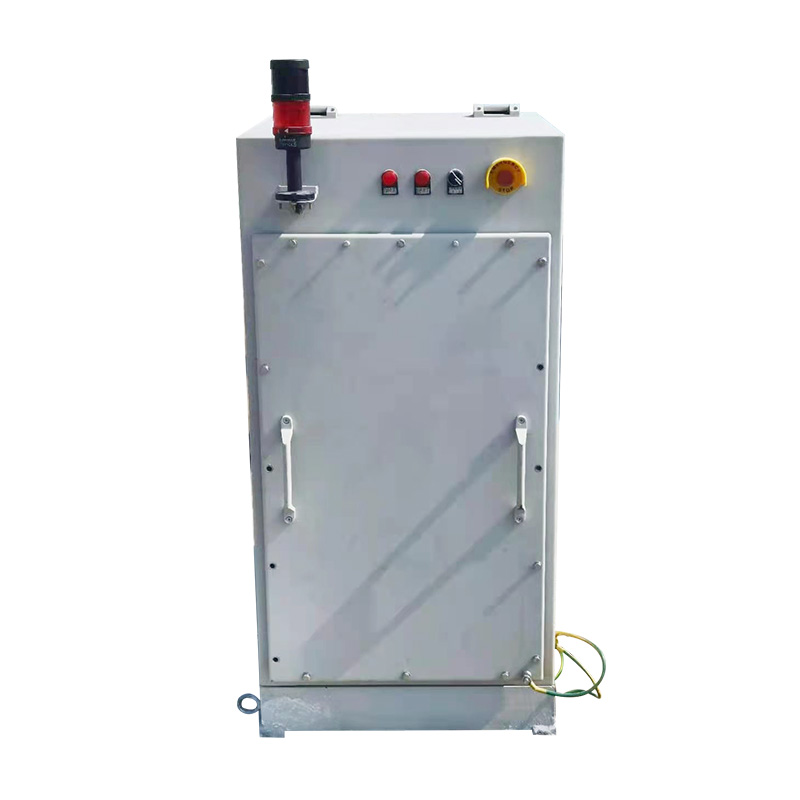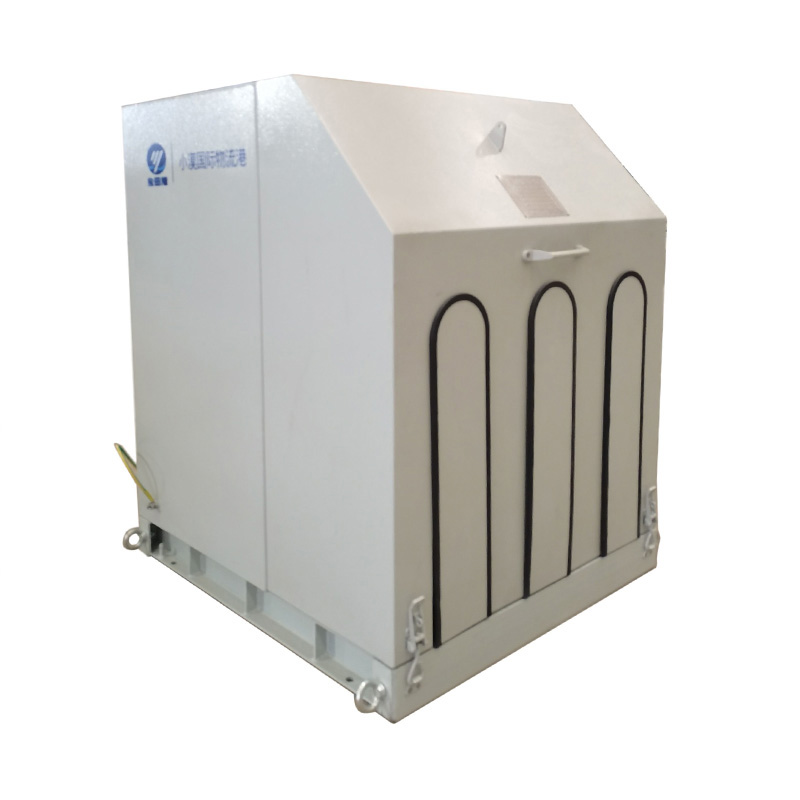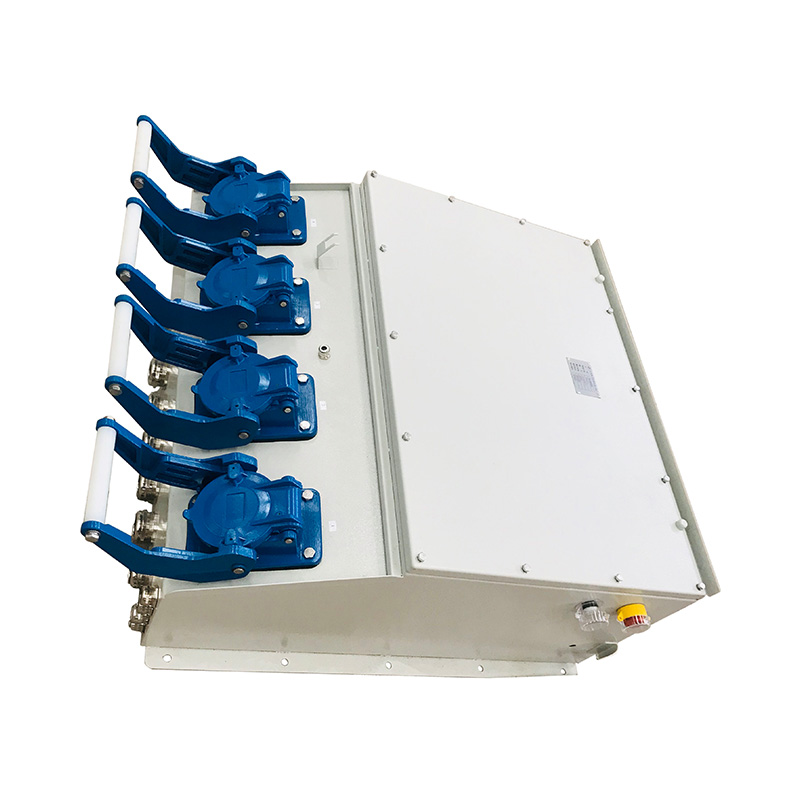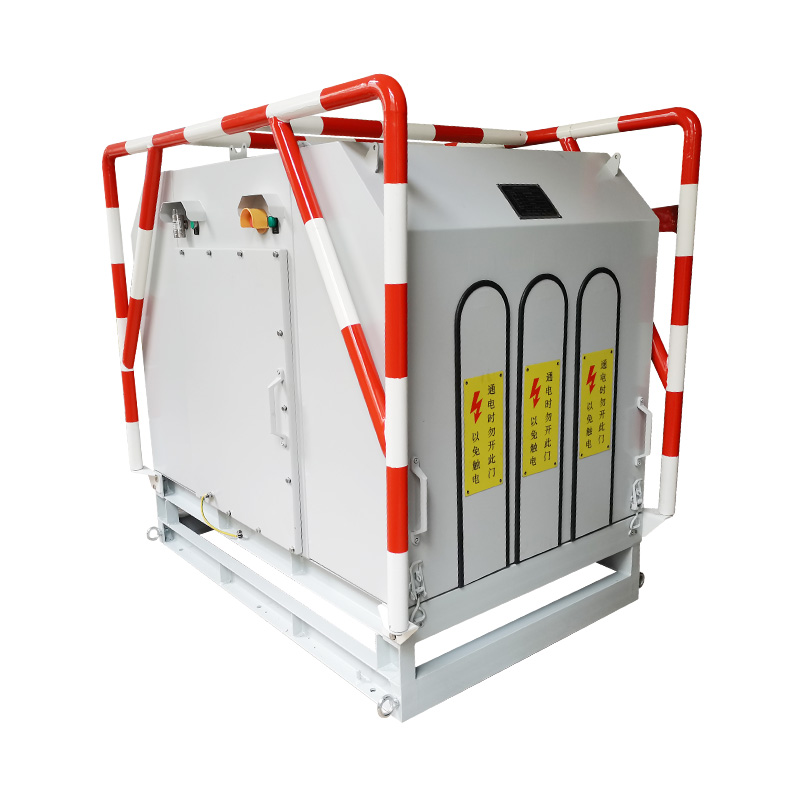



Cable Pulling Winch vs. Cable Puller: What's the Difference?
The terms "cable pulling winch" and "cable puller" are frequently used interchangeably in the field, and in casual conversation they usually refer to the same broad category of equipment used to draw cable through conduit or duct. That said, when the terms are used more precisely in equipment catalogs and technical documentation, some distinctions are worth understanding:
| Termi | Yhteinen käyttö |
|---|---|
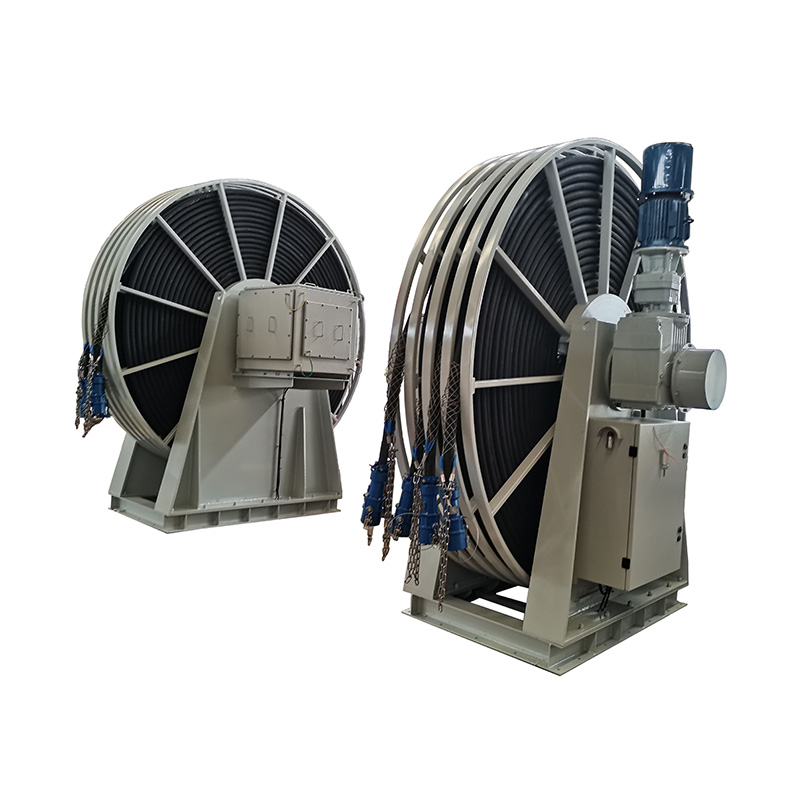
| Vaijerin vetovinssi | Often refers specifically to a drum-based motorized machine that spools in a pulling rope or cable, commonly used for longer or heavier pulls |
| Kaapelin vedin | A broader term that can include winches as well as hydraulic pulling cylinders, come-alongs, and other tensioning devices used for shorter or lighter-duty pulls |
In practice, the more useful distinction to focus on isn't terminology but capability: rated pulling capacity, line speed, portability, and whether the unit includes tension monitoring. Whatever a piece of equipment is called, those functional specifications are what actually determine whether it's suited to your specific pull.
How to Choose Cable Pulling Equipment
Beyond the winch or puller itself, a complete cable pulling equipment setup typically includes several supporting components, each of which needs to be matched to the job just as carefully as the primary pulling machine:
- Pulling rope or wire rope — rated for a working load appropriate to the job, with enough length to cover the full pull distance plus staging margin at both ends.
- Cable grips or pulling eyes — connect the pulling rope to the cable itself, and need to be rated for the cable's weight and the anticipated pulling tension.
- Pyörät ja rullat — guide the cable and pulling rope around bends and through access points, reducing friction and preventing cable damage at direction changes.
- Kaapelin voiteluaine — matched to the conduit material and cable jacket type, reducing friction across the full pull length.
- Tension monitoring device — an in-line dynamometer or integrated winch sensor that tracks real-time pulling tension against the cable's rated maximum.
Selecting the winch alone without matching these supporting components appropriately is a common source of preventable problems on a job — a winch capable of high pulling force is only as safe and effective as the weakest-rated component in the entire pulling chain.
Which Winch Is Best for Pulling Underground Cables?
For underground cable pulls specifically, the best-suited winch type generally depends on the duct system layout and how the crew will access it along the route:
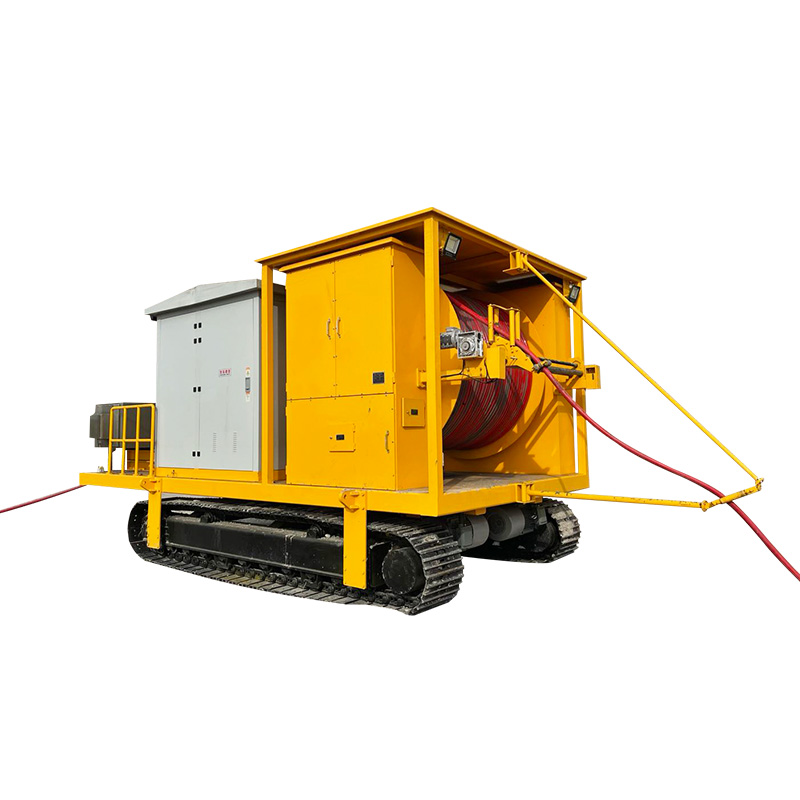
- Trailer-mounted hydraulic winches are a common choice for utility-scale underground work, since they can be towed and repositioned between manholes or vaults along a long duct run.
- Kompaktit kannettavat vinssit suit shorter underground runs or tight urban work sites where a full trailer-mounted unit can't be maneuvered into position.
- Winches with programmable tension limits are particularly valuable underground, where the crew often can't visually monitor the cable's condition along the buried path the way they could with an exposed cable tray run.
Cable Pulling Winch for Electrical Cable Installation
General electrical cable installation — covering everything from commercial building wiring to industrial facility power distribution — spans a wide range of pull sizes, which is why electrical contractors often maintain a range of winch capacities rather than a single machine. Smaller, more portable electric winches handle routine conduit runs within a building, while larger hydraulic units come out for feeder cable installations, service entrance conductors, and any pull involving heavier gauge or multi-conductor cable. Matching the winch to the specific job rather than defaulting to the largest available unit also reduces the risk of accidentally overstressing lighter cable that doesn't need — and can't safely handle — maximum pulling force.
Cable Pulling Equipment for Power Cable
Power cable — particularly medium- and high-voltage utility and industrial power cable — tends to be heavier, more rigid, and more expensive per foot than communications cable, which raises the stakes for correct equipment selection. Key considerations specific to power cable pulling include:
- Higher pulling capacity requirements due to power cable's greater weight per foot compared to most communications cable of similar diameter.
- Tiukemmat jännitysrajat , since power cable insulation and conductor integrity are critical to safe long-term operation, making tension monitoring especially important.
- Sidewall pressure considerations at bends , since power cable is generally more sensitive to sidewall crushing force at tight bend radii than more flexible communications cable.
Cable Pulling Winch for Telecommunications Cable
Telecommunications cable — including fiber optic cable — generally requires a notably different pulling approach than power cable, even when overall project scale is similar. Fiber optic cable in particular is far more sensitive to pulling tension and bend radius than copper power cable, since exceeding rated limits can cause microscopic fiber damage that isn't visible externally but significantly degrades signal transmission. Winches used for telecommunications cable pulling typically emphasize:
- Precise, low-force tension control rather than raw maximum capacity, since fiber and communications cable ratings are often much lower than comparable power cable.
- Consistent, controlled line speed to avoid tension spikes that can occur with jerky or inconsistent pulling motion.
- Compatibility with fiber-specific pulling accessories , such as breakaway swivels designed to release before tension exceeds the fiber cable's rated maximum.
How to Pull Cables Through Underground Ducts
1
Inspect and clean the duct beforehand. A duct rod or mandrel pull confirms the path is clear of debris, water, or obstructions before committing to the actual cable pull.
2
Install a pulling rope or fish tape through the duct in advance, positioning the winch or puller at the pulling end and staging cable reels at the feed end.
3
Attach the cable to the pulling rope using an appropriately rated pulling eye or grip, and apply lubricant at the duct entry point and along accessible sections of the path.
4
Begin the pull at a controlled, steady speed , with the winch operator monitoring tension continuously and communicating regularly with personnel feeding cable at the source end.
5
Stop immediately if tension spikes unexpectedly — a sudden increase often indicates an obstruction, tight bend, or snag that needs to be identified and resolved before continuing the pull.
Käytännön vinkki: For multi-section underground duct runs with several manholes along the path, pulling in shorter individual sections — rather than attempting one continuous pull across the entire route — generally reduces both required force and risk, even though it takes more setup time overall.